2026 STATIC DISPLAYS

STATICS
Get ready to explore an incredible collection of military, historic, firefighting, rescue and civilian aircraft up close at this year’s California International Airshow!
The static display area gives aviation fans a rare chance to walk among an amazing variety of aircraft and get a closer look at the machines—and missions—that have shaped aviation.
This year’s lineup spans generations and specialties. Check out the massive C-130 Hercules and long-range HC-130, H-60 helicopters from Moffett and Fresno, CAL FIRE aviation, DreamBig’s F/A-18 cockpit display, and historic aircraft including the B-26, DC-4, Stinson L-5 Sentinel, L-19 Bird Dog and Stearman.
General aviation fans can also see the RV-6, Varga Kachina and Grumman Tiger, along with the Bell 206 Ag and modern Bell 505. From warbirds and military transports to helicopters, homebuilts and classic trainers, there’s plenty to explore throughout the static display area.
These aircraft are meant to be experienced up close. Take in the massive scale of a military transport, examine the details of a vintage warbird, compare generations of helicopter technology and discover aircraft you may have never seen before. Bring your camera, take your time and make the static displays a destination of their own.
Gates open both Saturday and Sunday at 9AM. Airshow will start approximately 11:00AM.
-
The Moffett H-60 is Built for missions where there is little room for error. The H-60 is a powerful twin-engine helicopter used for search and rescue, personnel recovery and emergency response. H-60 rescue crews can operate in demanding environments over land and open water, using the helicopter’s combination of speed, range, maneuverability and specialized rescue equipment to reach people in places few other aircraft can. The Moffett-based rescue unit has a long history of supporting military and civilian rescue operations throughout the Pacific region.
-
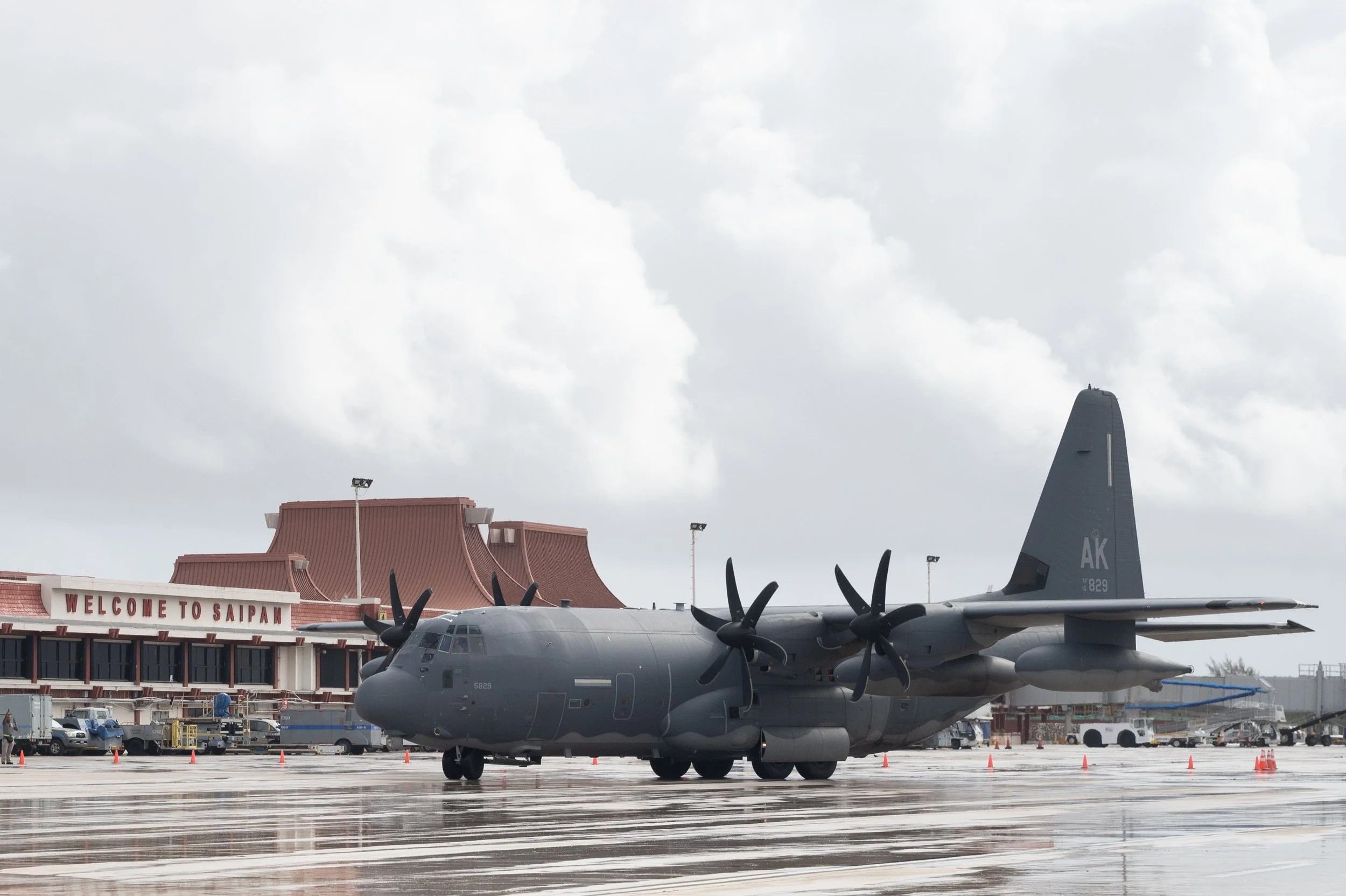
The Moffett HC-130 is a long-range search-and-rescue aircraft designed to extend rescue operations far beyond the reach of helicopters operating alone. Moffett’s 129th Rescue Wing uses the HC-130 for personnel recovery, search and rescue, aerial refueling of rescue helicopters and long-range missions over the Pacific. Its combination of endurance, payload capacity and air-to-air refueling capability allows rescue teams to reach emergencies hundreds of miles offshore.
-
The H-60 Black Hawk family has become one of the most recognizable and versatile military helicopters in the world. Designed to operate in demanding environments, the H-60 can support missions ranging from troop and equipment transport to medical evacuation, disaster response and search and rescue. Its rugged construction, twin-engine power and ability to operate from confined or unimproved areas have made the H-60 an essential rotary-wing aircraft for military operations for decades.
-
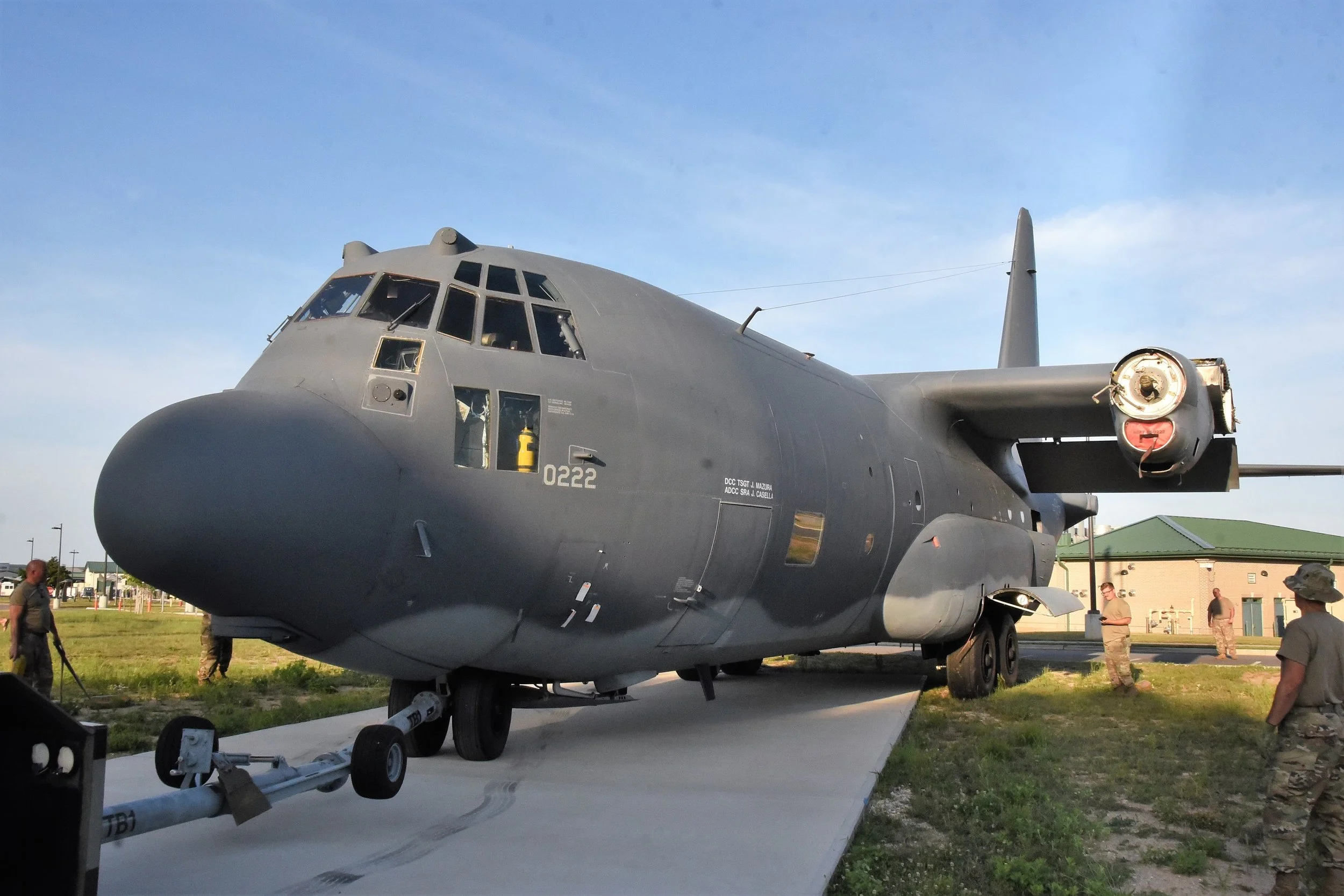
The C-130 Hercules has earned a legendary reputation as one of the world’s most versatile military transport aircraft. Kentucky’s 123rd Airlift Wing operates the C-130J Super Hercules, the modern generation of a design that has served around the globe for more than 70 years. Built to carry personnel, vehicles, equipment and humanitarian supplies, the C-130 can operate from relatively short and unimproved runways, giving it the ability to deliver critical cargo where larger transports often cannot.
-
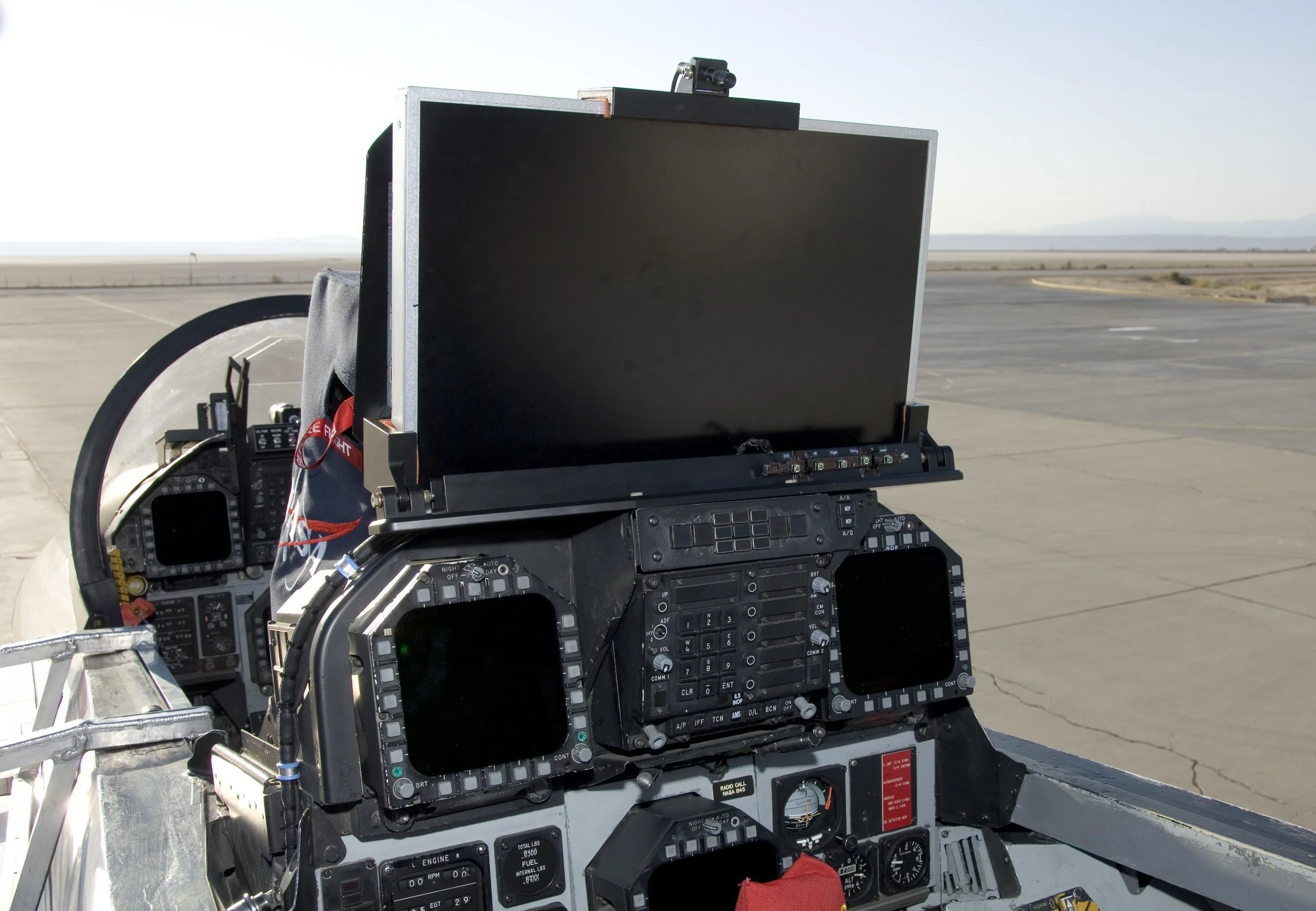
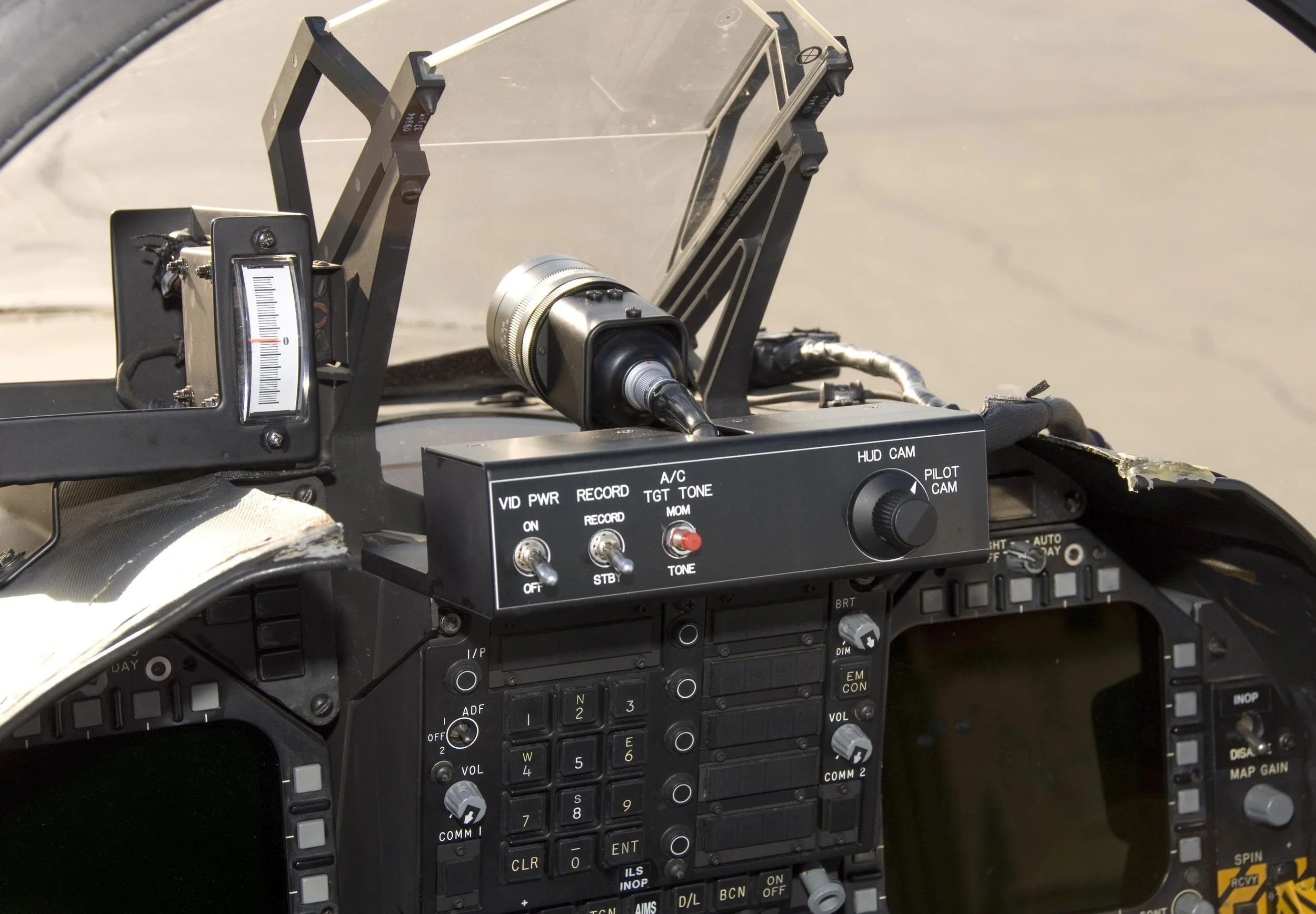
Get an up-close look at the office of a fighter pilot with DreamBig Entertainment’s F/A-18 Hornet cockpit display. The F/A-18 was designed as both a fighter and attack aircraft, combining speed and maneuverability with sophisticated avionics and weapons systems. Its cockpit was designed to give a single pilot the information and controls needed to perform multiple missions—making this display a rare opportunity to see what flying one of America’s best-known naval combat aircraft looks like from the pilot’s seat.
-
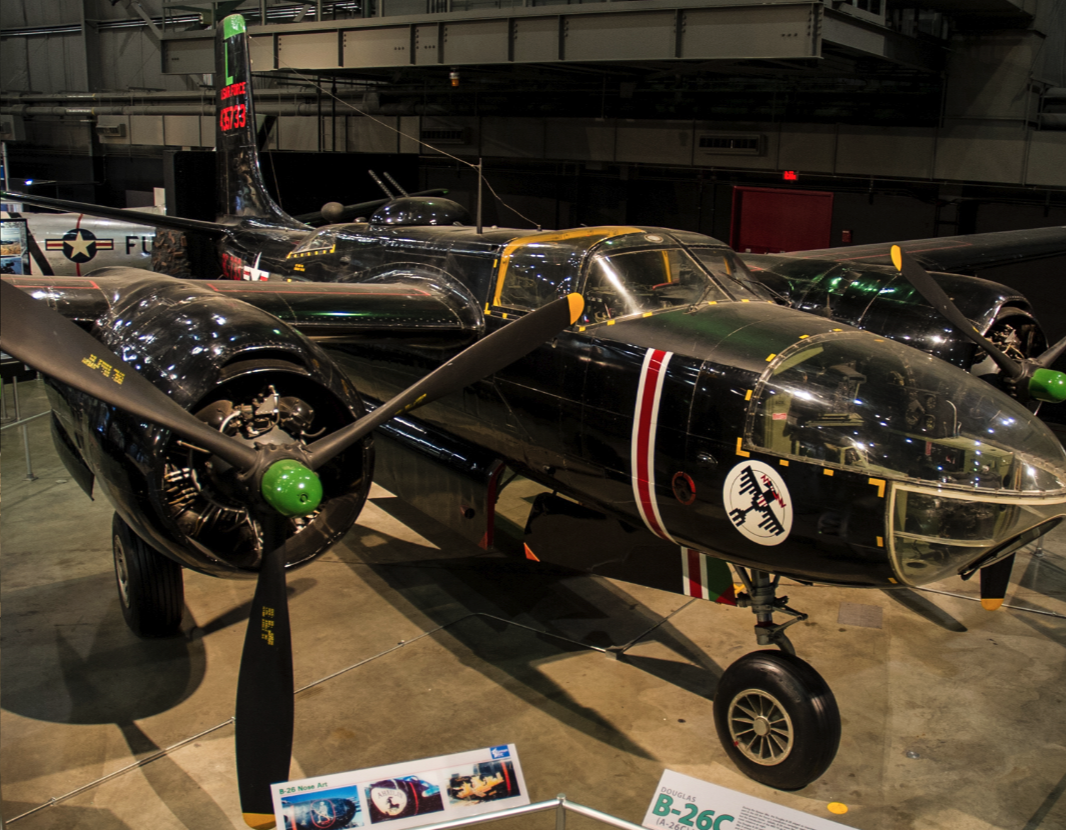
A(B)-26 Invader
Fast, heavily armed and built to hit hard, the Douglas B-26 Invader began life during World War II as the A-26, a twin-engine light bomber and attack aircraft designed for speed and versatility. After the war, it was redesignated the B-26 and went on to see extensive service during the Korean War and later conflicts. With powerful Pratt & Whitney radial engines, impressive speed and configurations capable of carrying bombs, rockets and an array of forward-firing guns, the Invader packed remarkable firepower into a sleek airframe. Its long service life made it one of the most enduring American combat aircraft of its generation—and a fantastic piece of military aviation history to see up close.
-
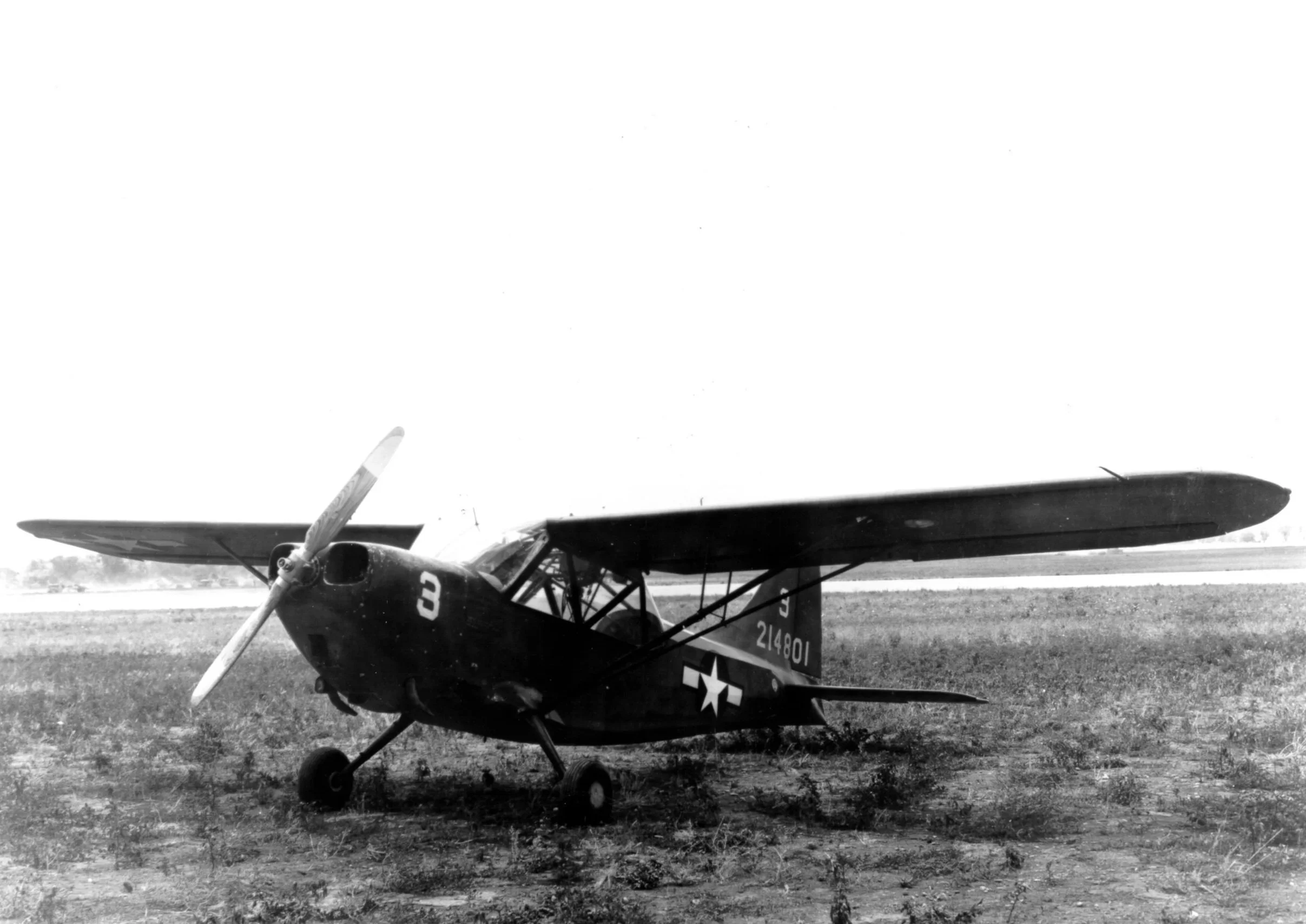
Small, rugged and remarkably versatile, the Stinson L-5 Sentinel was one of the unsung workhorses of World War II. Its short-field capabilities allowed it to operate close to the front lines, where it performed reconnaissance, artillery spotting, courier flights, supply missions and medical evacuations. More than 3,500 were ordered by the U.S. Army Air Forces during the war, and the aircraft proved that sometimes the smallest airplanes can take on some of the most important jobs.
-
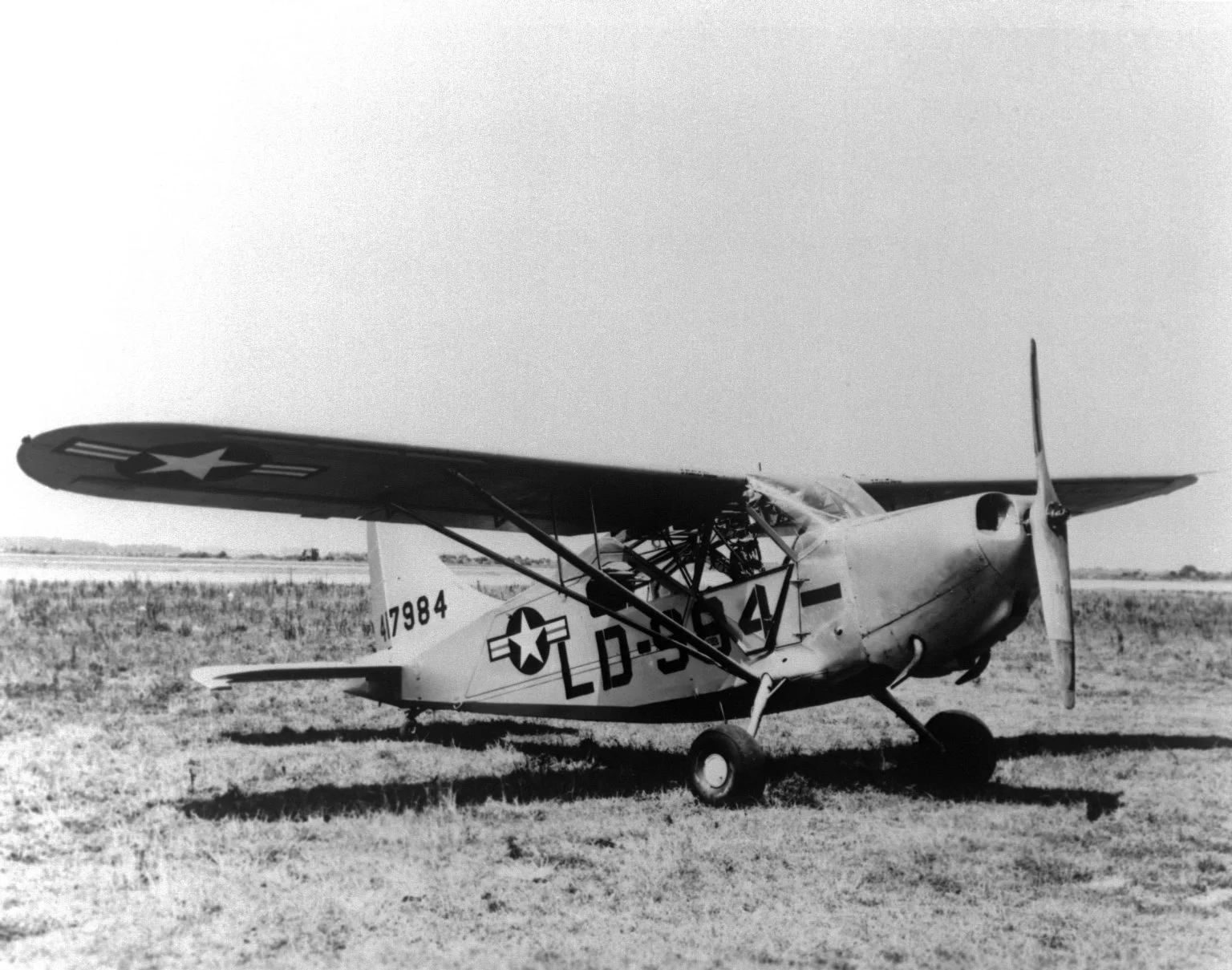
The Cessna L-19 Bird Dog was designed as a light observation and liaison aircraft capable of operating from short, unimproved airstrips. First entering U.S. Army service in 1950, the Bird Dog served during both the Korean and Vietnam wars and was later redesignated the O-1. Its excellent visibility and ability to fly low and slow made it especially effective for reconnaissance, artillery spotting and forward air control missions.
-
CAL FIRE operates the largest aerial firefighting fleet in the world, with aircraft strategically positioned throughout California to respond quickly when wildfires break out. Its specialized fleet includes airtankers, tactical aircraft and helicopters that work together with firefighters on the ground to slow advancing fires, direct resources and protect communities. These aircraft are some of the most recognizable—and important—working aircraft in California skies.
-
The four-engine Douglas DC-4 helped transform long-distance air travel during the 1940s and became an important military transport as the C-54 Skymaster. Rugged, dependable and capable of carrying passengers and cargo over long distances, the design served airlines and military operators around the world. Its large wingspan, four radial engines and classic lines make the DC-4 an impressive reminder of the era when piston-powered transports connected continents.
-
The Van’s RV-6 is one of the most successful homebuilt aircraft designs ever produced. Introduced in the 1980s, this lightweight two-seat airplane combines responsive handling with impressive speed and cross-country capability. With engines typically producing between 150 and 180 horsepower, an RV-6 can reach speeds around 200 mph—a remarkable level of performance from an airplane compact enough to have a wingspan of just 23 feet.
-
The Bell 206 is one of the most successful light helicopters ever produced, and its versatility has allowed it to take on an enormous range of civilian jobs. In agricultural operations, helicopters can work precisely over fields and orchards, applying materials in areas where terrain, crops or obstacles can make conventional equipment difficult to use. The Bell 206 combines excellent visibility and maneuverability with the ability to operate close to the job site.
-
The Bell 505 brings modern technology to the light-helicopter category, combining a spacious cabin with a fully integrated Garmin glass cockpit and a powerful turbine engine. Capable of carrying a pilot and four passengers, the 505 can cruise at approximately 125 knots and is designed for missions ranging from flight training and transportation to utility and public-service work. Large windows provide exceptional visibility from nearly every seat.
-
Few airplanes capture the look and spirit of early American aviation quite like the Stearman. Best known as the primary trainer that introduced thousands of U.S. military pilots to flying during the World War II era, the rugged open-cockpit biplane became famous for its forgiving handling and distinctive radial-engine sound. After the war, surplus Stearmans found new lives as crop dusters, airshow aircraft and beloved civilian classics.
-
The Varga Kachina is a distinctive American two-seat light aircraft featuring tandem seating, a low wing and excellent visibility. Powered by a 150-horsepower Lycoming engine, the Kachina combines straightforward construction with responsive handling and a sporty military-trainer appearance. Its unusual design and relatively limited production make it a much less common sight on the ramp than many other general aviation aircraft of its era.
-
The Grumman American AA-5B Tiger is a four-seat light aircraft that earned an enthusiastic following for combining everyday practicality with genuinely sporty performance. Its 180-horsepower Lycoming engine gives the Tiger a cruise speed of roughly 139 knots, while its low wing and distinctive sliding canopy give it a look unlike the typical general aviation airplane. Introduced for the 1975 model year, the Tiger remains popular with pilots who appreciate its blend of speed, simplicity and personality.